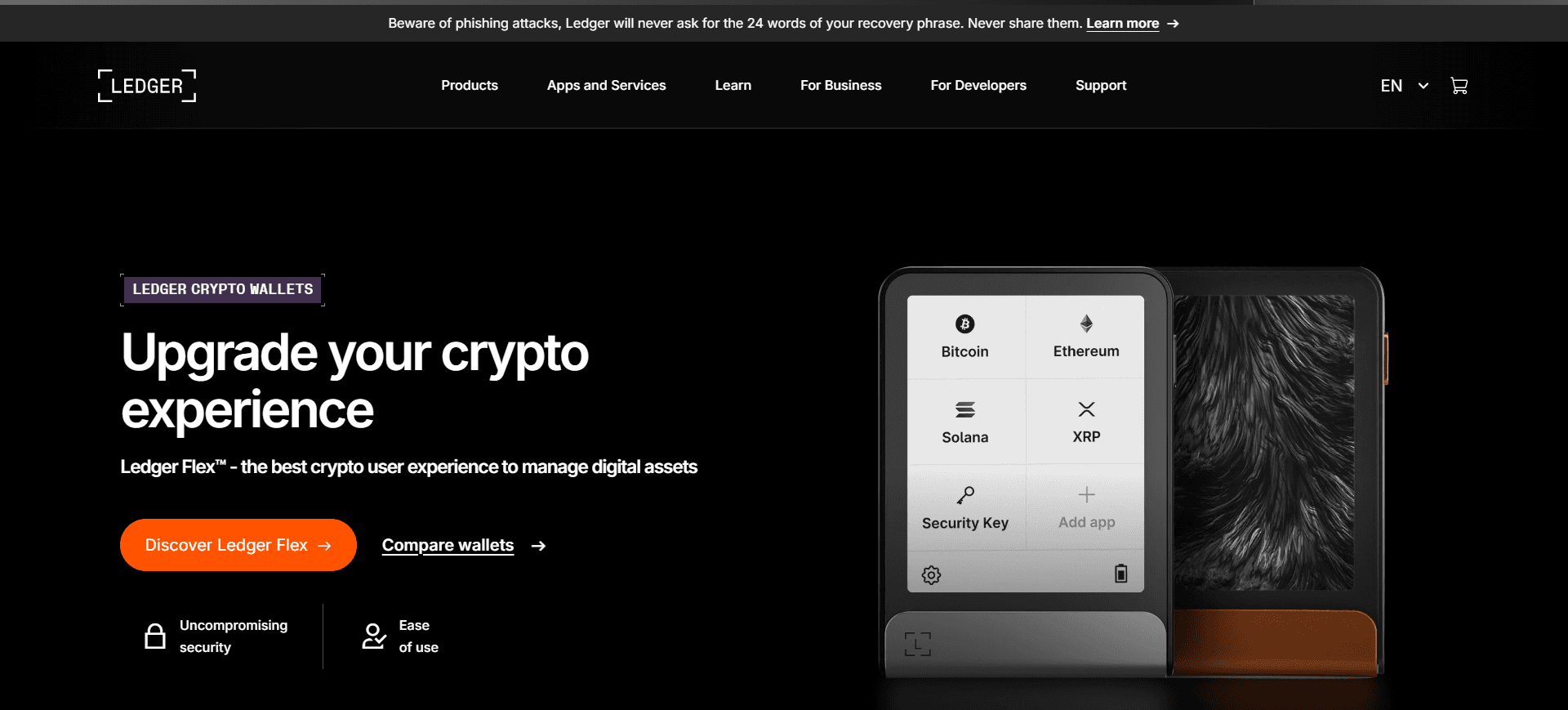
Ledger.com/Start: A Complete Beginner’s Guide to Setting Up Your Ledger Hardware Wallet
Cryptocurrencies have transformed how people store and transfer value, but with this innovation comes responsibility. Unlike traditional banking, crypto places you in direct control of your assets. That control also means you are responsible for security. This is where hardware wallets come in, and Ledger is one of the most widely used hardware wallet brands in the world.
If you have recently purchased a Ledger device and are visiting ledger.com/start, this guide will walk you through everything you need to know—from understanding what Ledger is, to safely setting up your device, installing Ledger Live, and following best security practices. Whether you are completely new to crypto or transitioning from a software wallet, this guide will help you get started with confidence.
What Is Ledger and Why Is It Important?
Ledger is a company that designs hardware wallets, which are physical devices used to securely store private keys for cryptocurrencies. Your private keys are what give you access to your digital assets. If someone gains access to them, they can control your funds.
Unlike mobile or desktop wallets, Ledger devices store private keys offline, in a secure chip. This greatly reduces the risk of hacking, malware, and phishing attacks.
Ledger wallets are commonly used to:
Store cryptocurrencies long-term
Secure high-value crypto holdings
Interact safely with decentralized applications (dApps)
Sign transactions without exposing private keys
What Is ledger.com/start?
ledger.com/start is the official onboarding page provided by Ledger. It guides users through:
Verifying the authenticity of their device
Downloading Ledger Live
Setting up a new wallet or restoring an existing one
Learning essential security practices
Using the official start page is critical. Fake websites often imitate Ledger to trick users into revealing recovery phrases. Always double-check the URL before proceeding.
Ledger Devices Supported
At ledger.com/start, you can set up any of the following Ledger hardware wallets:
Ledger Nano S Plus
USB-only connection
Suitable for beginners
Supports thousands of cryptocurrencies
Ledger Nano X
USB and Bluetooth connectivity
Mobile-friendly
Larger memory for apps
While setup steps are similar, always follow the instructions specific to your model shown on Ledger Live.
Step 1: Unboxing and Checking Your Ledger Device
When you receive your Ledger device, inspect the packaging carefully.
What You Should Find in the Box
Ledger hardware wallet
USB cable
Recovery sheets
Instruction card
Keychain or accessories (model-dependent)
Ledger devices do not come pre-configured. If your device arrives with:
A pre-written recovery phrase
A pre-set PIN
Signs of tampering
Do not use it. Contact Ledger support immediately.
Step 2: Go to Ledger.com/Start
Open a secure browser and manually type:
ledger.com/start
Avoid clicking links from emails, ads, or social media. Bookmark the page once confirmed.
From there, select your Ledger model and operating system (Windows, macOS, Linux, Android, or iOS).
Step 3: Download and Install Ledger Live
Ledger Live is the official software used to manage your Ledger wallet.
What Ledger Live Does
Connects your Ledger device to your computer or phone
Allows you to install crypto apps
Displays balances and transaction history
Enables sending and receiving crypto
Updates device firmware
Only download Ledger Live directly from the official website. Never install modified or third-party versions.
Step 4: Set Up a New Ledger Device
When you open Ledger Live, choose “Set up a new device.”
Initial Device Setup
Connect your Ledger to your computer or phone
Power it on
Choose “Set up as new device”
Create a PIN code (4–8 digits)
Your PIN protects the physical device. Choose something unique and never share it.
Step 5: Write Down Your Recovery Phrase
This is the most important step in the entire process.
Your Ledger will generate a 24-word recovery phrase. These words represent your wallet’s master key.
Rules for Recovery Phrases
Write the words down in order
Never take photos
Never store digitally
Never share with anyone
Never enter on a website
Ledger will ask you to confirm the words to ensure you wrote them correctly.
If your Ledger is lost, damaged, or reset, this recovery phrase is the only way to restore your assets.
Step 6: Verify Device Authenticity
Ledger Live automatically checks if your device is genuine.
This verification confirms:
The secure chip is authentic
The device has not been modified
Firmware is official
If verification fails, stop immediately and contact Ledger support.
Step 7: Install Cryptocurrency Apps
Ledger devices use individual apps for each blockchain (e.g., Bitcoin, Ethereum).
How to Install Apps
Open Ledger Live
Go to “My Ledger”
Allow access on your device
Install desired apps
You can uninstall and reinstall apps without losing funds, as long as you keep your recovery phrase safe.
Step 8: Add Accounts in Ledger Live
After installing apps, add accounts to manage your crypto.
Example:
Install Bitcoin app → Add Bitcoin account
Install Ethereum app → Add Ethereum account
Ledger Live will synchronize with the blockchain and display balances.
Sending and Receiving Cryptocurrency
Receiving Crypto
Open Ledger Live
Choose the account
Click “Receive”
Verify address on your Ledger screen
Share the address
Always verify addresses on the physical device screen, not just on your computer.
Sending Crypto
Choose account
Click “Send”
Enter recipient address
Confirm transaction on device
Ledger requires physical confirmation for every transaction, adding a critical security layer.
Using Ledger With DeFi and Web3
Ledger wallets can connect to decentralized applications via:
MetaMask
WalletConnect
Other Web3 interfaces
Your private keys remain protected while you interact with dApps. Always double-check transaction details on your Ledger screen before approving.
Firmware Updates and Maintenance
Ledger occasionally releases firmware updates to improve security and compatibility.
Best Practices
Update only through Ledger Live
Ensure recovery phrase is backed up before updating
Never disconnect during firmware installation
Common Security Tips for Ledger Users
Never share your recovery phrase
Ignore emails claiming “urgent Ledger issues”
Bookmark ledger.com/start
Use a secure computer
Store recovery phrase offline in a safe place
Consider a fireproof backup for recovery words
Ledger will never ask for your recovery phrase—not by email, not by phone, not by chat.
What Happens If You Lose Your Ledger?
If you lose your device but still have your recovery phrase:
Buy a new Ledger
Choose “Restore from recovery phrase”
Enter your 24 words
Your funds will be fully restored.
If you lose both the device and recovery phrase, funds cannot be recovered.
Troubleshooting and Support
If you encounter issues:
Visit Ledger’s official support section
Use Ledger Live’s help resources
Never trust unofficial support messages
Always verify support links directly from Ledger’s website.
Final Thoughts
Using ledger.com/start is the safest way to begin your journey with a Ledger hardware wallet. While the setup process may seem detailed, each step exists to protect your digital assets. Taking the time to understand how Ledger works—and following security best practices—can significantly reduce the risks associated with managing cryptocurrency.
A Ledger wallet doesn’t just store crypto; it gives you ownership, control, and peace of mind. With careful setup and responsible use, it can be one of the most powerful tools in your crypto security toolkit.